
Project Stella Shatters The Speed Project Women's Record by Nearly 3 Hours. We Have The Data.


Project Stella sets the new all-women’s Speed Project Record: 30 hours & 19 minutes from Santa Monica to Las Vegas.
Six women just ran 280+ miles from California to Nevada— through desert heat, freezing overnight temps, sustained winds, and a brutal 2,800-foot climb — and broke the all-women's Speed Project record by 2 hours and 54 minutes.
Last week, we told you to pay attention. Now we have the data. Here's how they did it.
What Is The Speed Project?
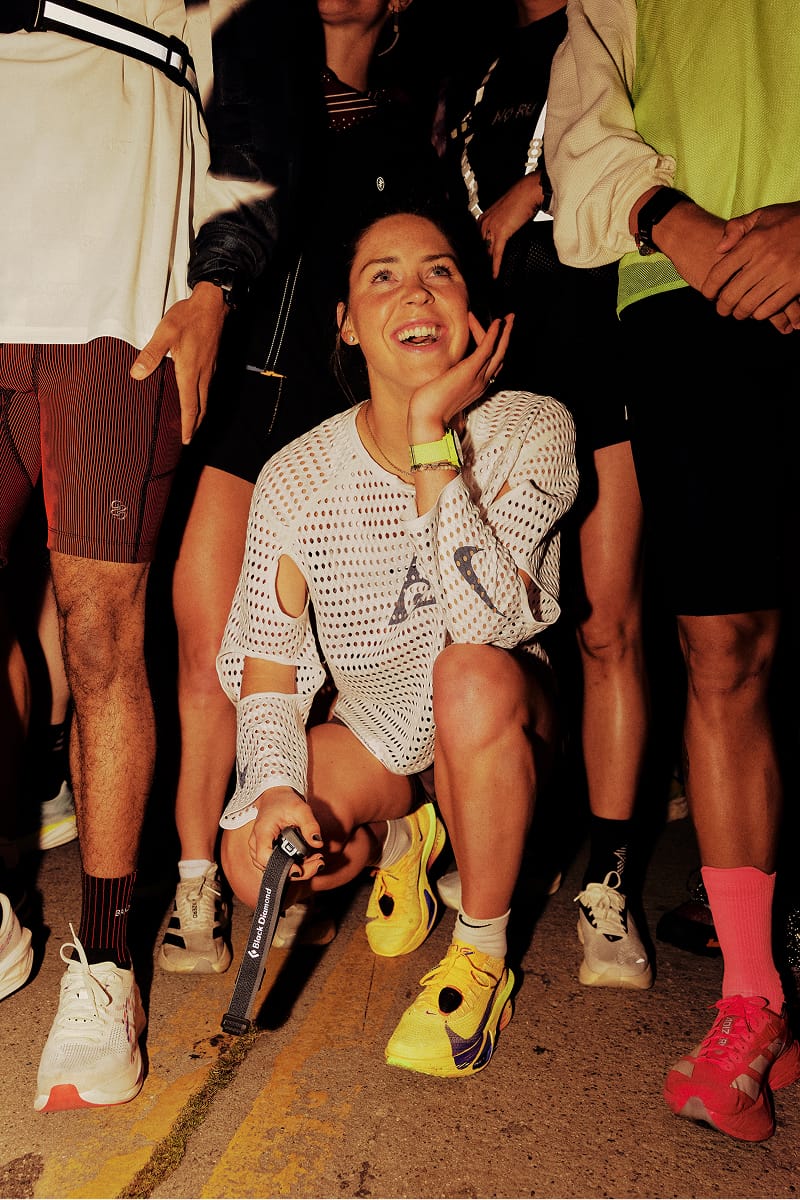
The Speed Project (TSP) is a relay race that combines strategy, speed, endurance, and teamwork across every type of terrain: road, trail, sand, gravel, and open desert. Support vehicles carry the team between exchanges, giving runners a chance to rest while the clock never stops.
Breaking the record would require more than just six fast women. It took a combination of high-energy runners ready to put their bodies on the line and leadership with deep experience in ultra running and a previous TSP record.

The Big Question: Could Project Stella’s Speed Survive the Long Distance, Unforgiving Desert, & Harsh Conditions?
The leadership on this team had studied the course and the strategies of previous winning teams. Their mission was clear: take six talented women and build a plan around how far, how fast, and in what order each would run to maximize speed, minimize interruptions, and prevent the wear of 280+ miles from causing undue fatigue or injury.
Each woman had the speed — nearly every runner on the roster had chased an Olympic Trials qualifier on the road. But only two had ever raced at ultra distance. The talent was undeniable; the distance was the unknown.
Every athlete wore Stryd throughout the race. Let's dive into the data to see what happened.
Getting Through LA: Team Runs Long, Fast Solo Segments
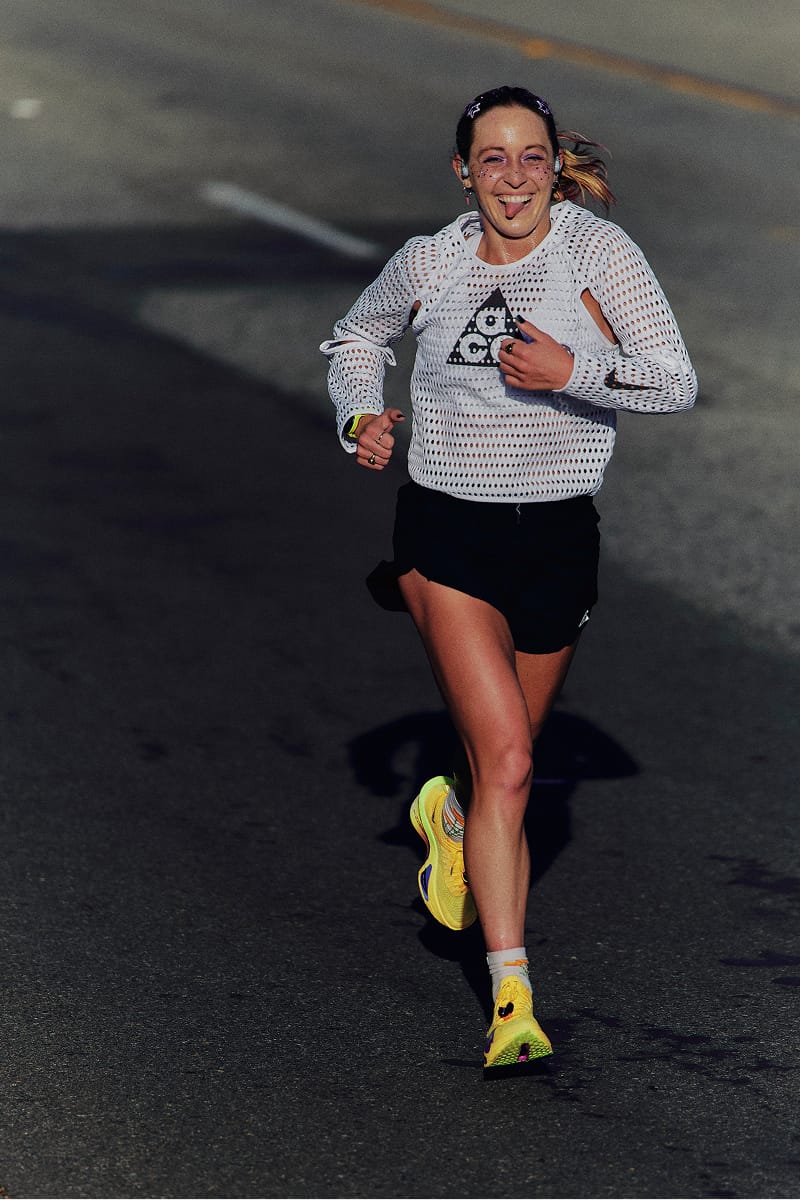
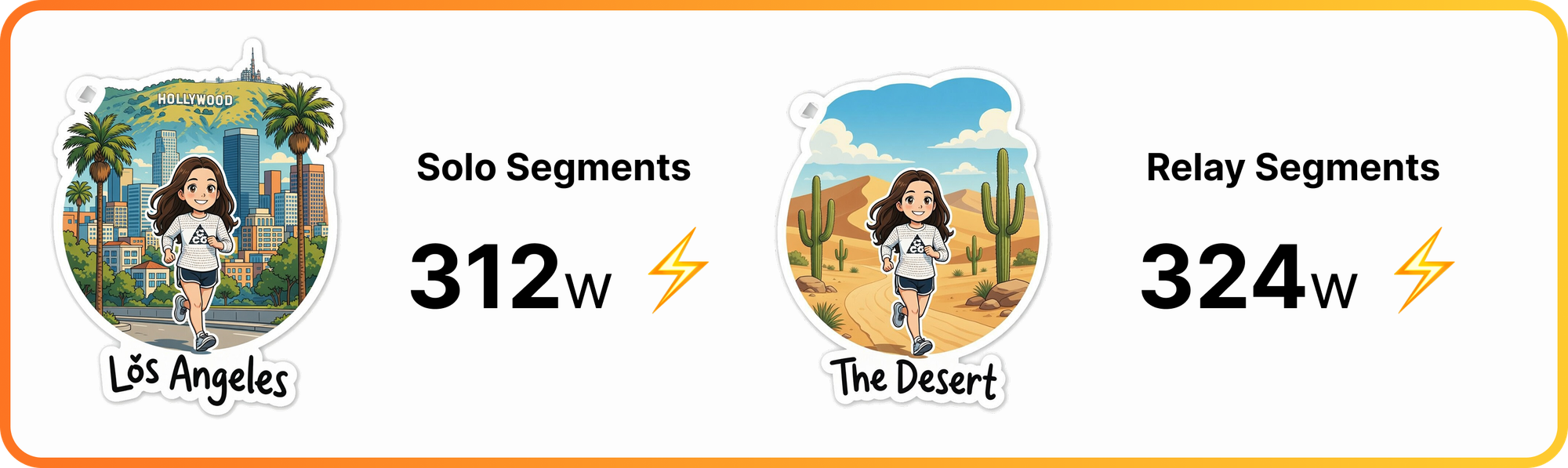
The race starts in Los Angeles, and the first priority is simple: get out of the city. Traffic, stoplights, and urban terrain meant the team needed each runner to cover long segments of 9+ miles at speed to clear the metro area as quickly as possible.
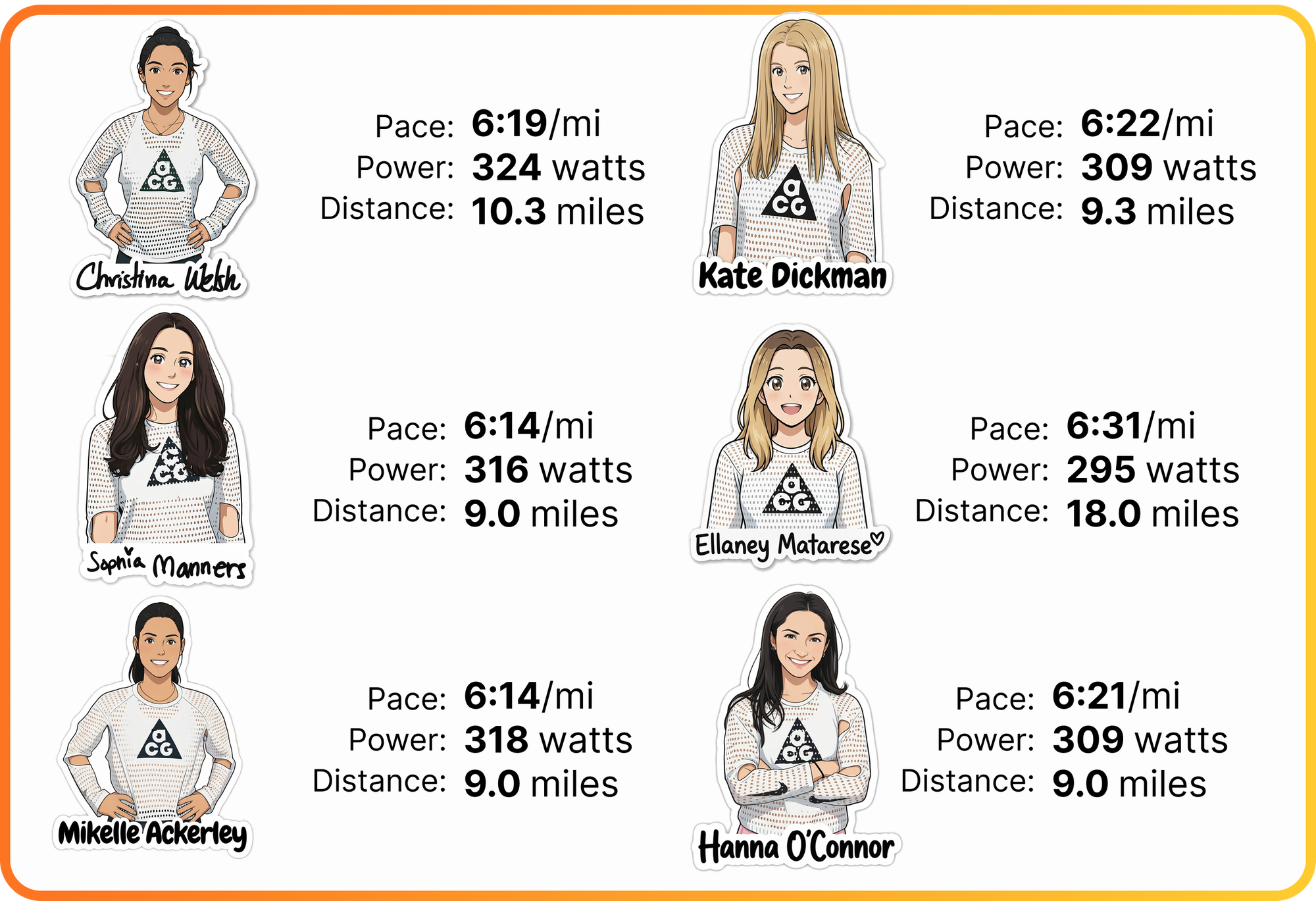
The Stryd data from these opening legs shows just how consistent the team was. Each athlete paced her segment evenly from start to finish, with performances closely aligned across runners.
But zooming out, and the picture shifts. The team exited LA well ahead of record pace—impressive, but aggressive. With so much race still ahead, the question wasn’t how fast they were running, it was whether they could sustain it.
Into the Desert: The True Relay Begins
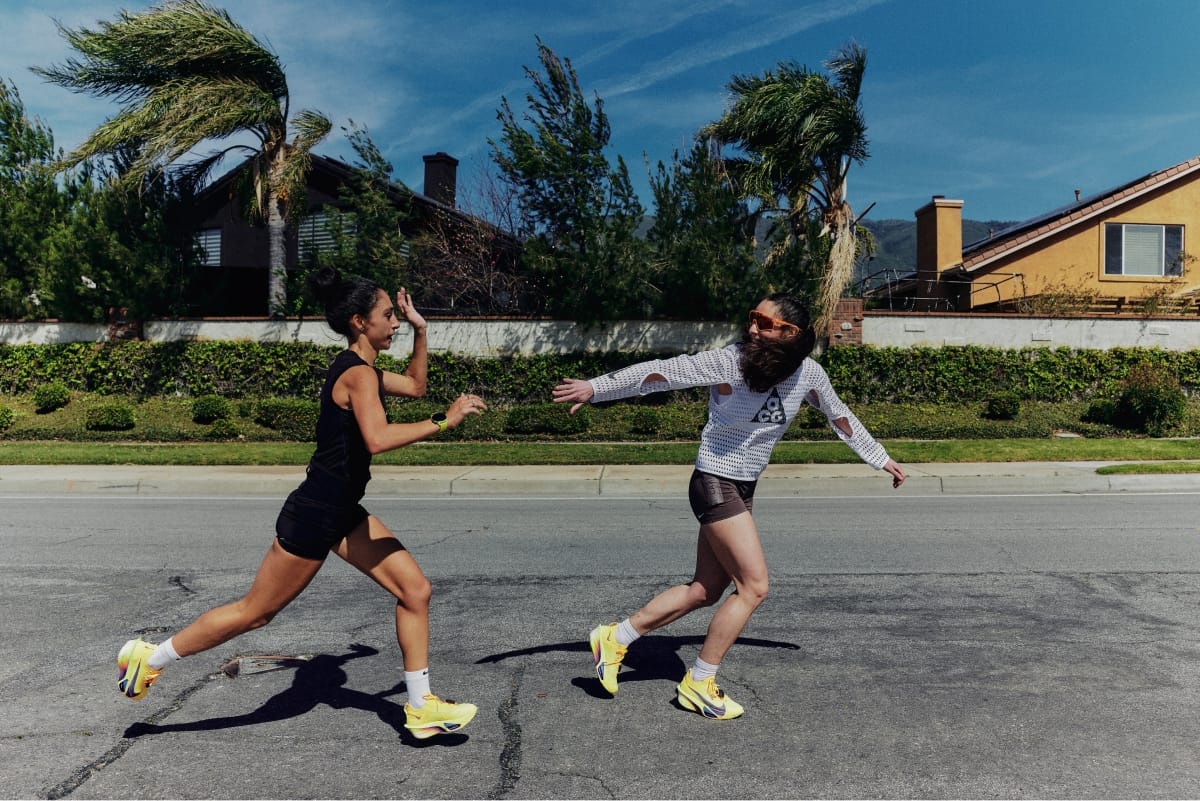
The team ran as two squads — Team Orange and Team Black — alternating segments in a true relay style. While one team ran, the other rested and recovered in the vehicle.
Once clear of the city, the format shifted to shorter, 3-minute intervals with longer recovery windows between segments. The effect was immediate: power output actually rose. Runners pushed harder knowing rest was coming — exactly as the strategy intended.
But the desert introduced new challenges. The terrain started to climb. Conditions became less predictable. And then came the wind.
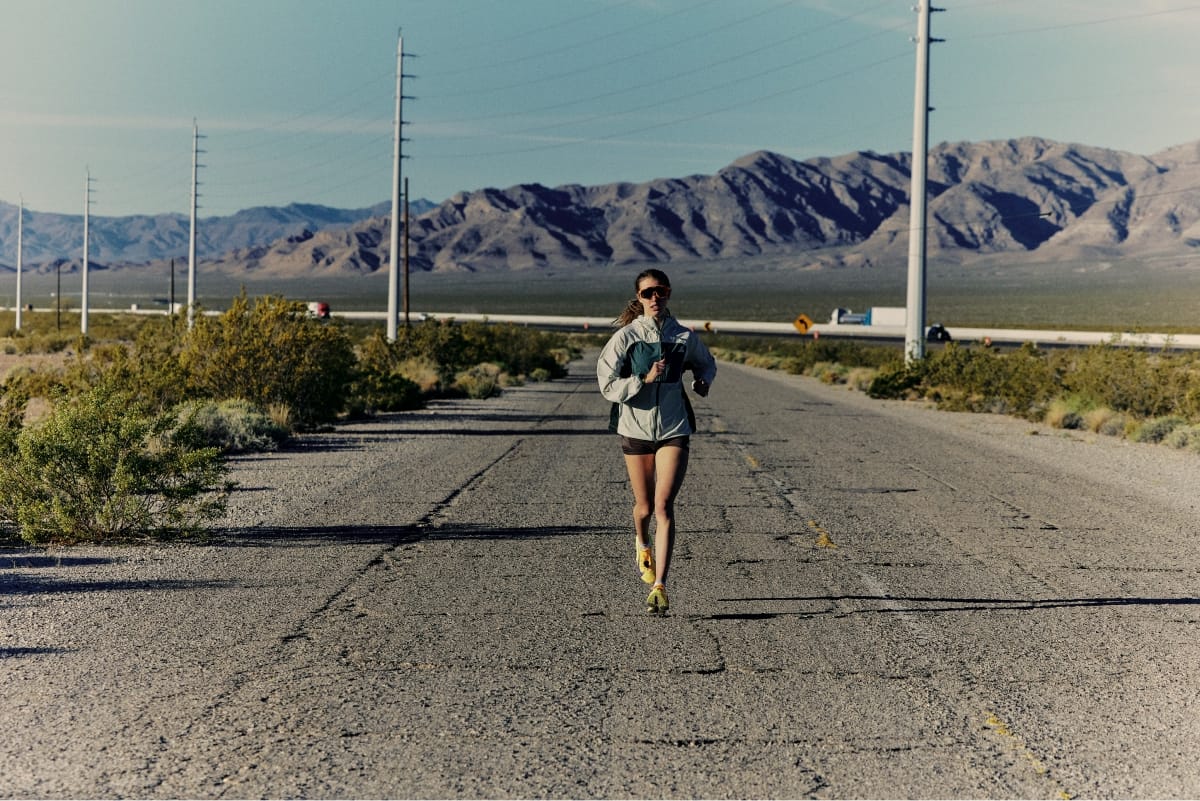
The Unexpected Twist: Sustained Wind with Extreme Gusts
Around mile 60, the team hit a wall of wind. Sustained 40MPH head winds with extreme gusts battered the runners across exposed desert terrain.
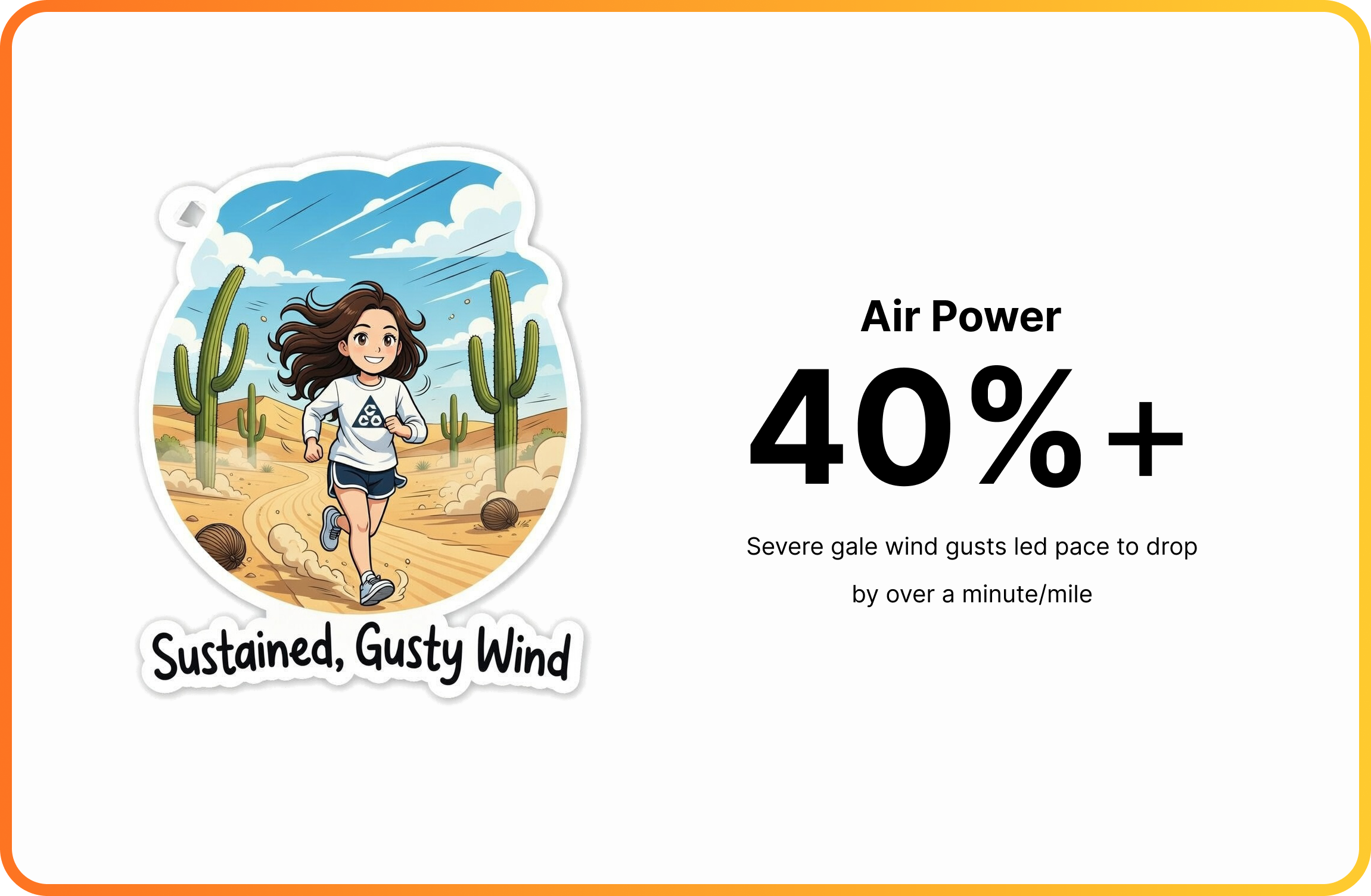
This is where the data gets interesting. Pace visibly dipped — you'd expect that running into heavy wind. But power output never dropped. The runners maintained consistent effort despite the conditions slowing them down. They didn't panic. They didn't overcorrect. They trusted the effort and kept moving.
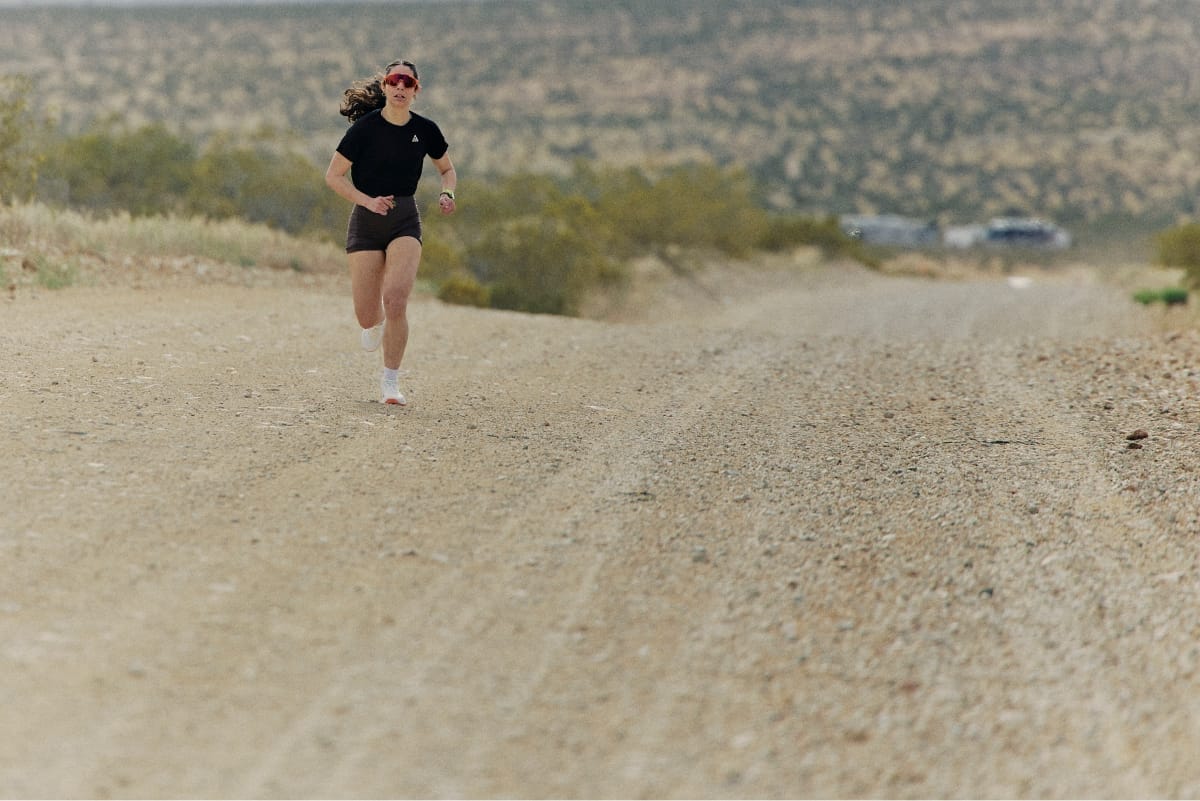
Desert Running: Would Steady Pacing Hold?
Now deep into the desert with unpredictable conditions, the question became whether this fast team could maintain their effort — or whether fatigue would start to erode the record-setting pace.
The pace data alone would make you nervous. Splits swung from sub-6 minute miles to 8 minute miles — over 20% variation. But power output told the real story: average wattage stayed within 3% across this stretch. The swings in pace were a product of terrain and conditions, not fading effort.
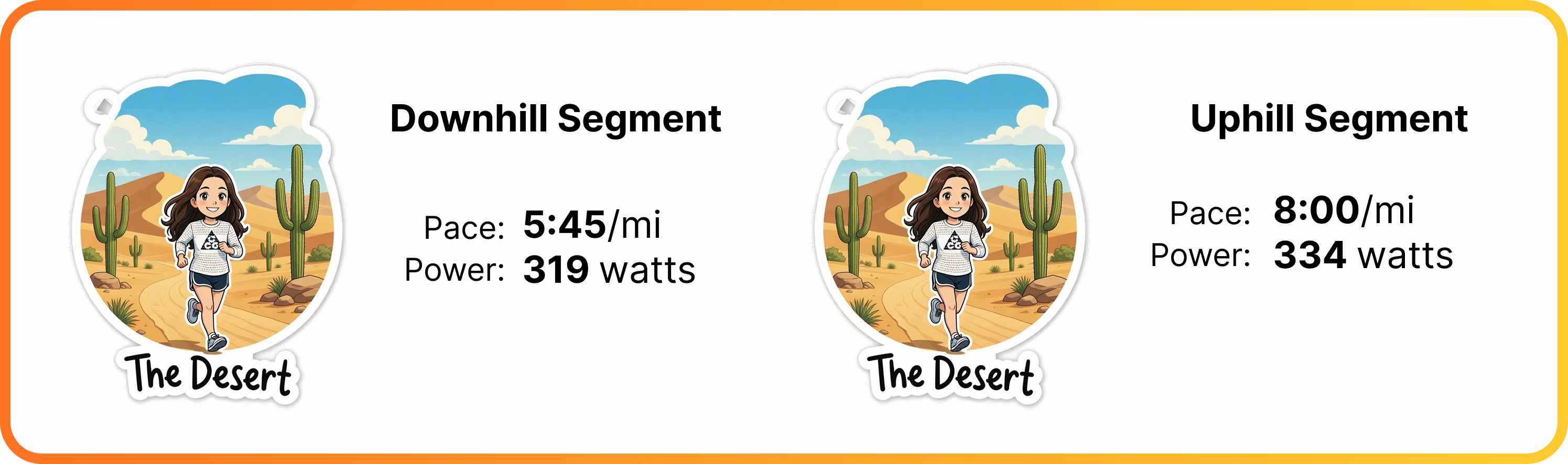
Despite limited ultra running experience, the team's pacing strategy was holding. They remained ahead of the record but tougher challenges were waiting.
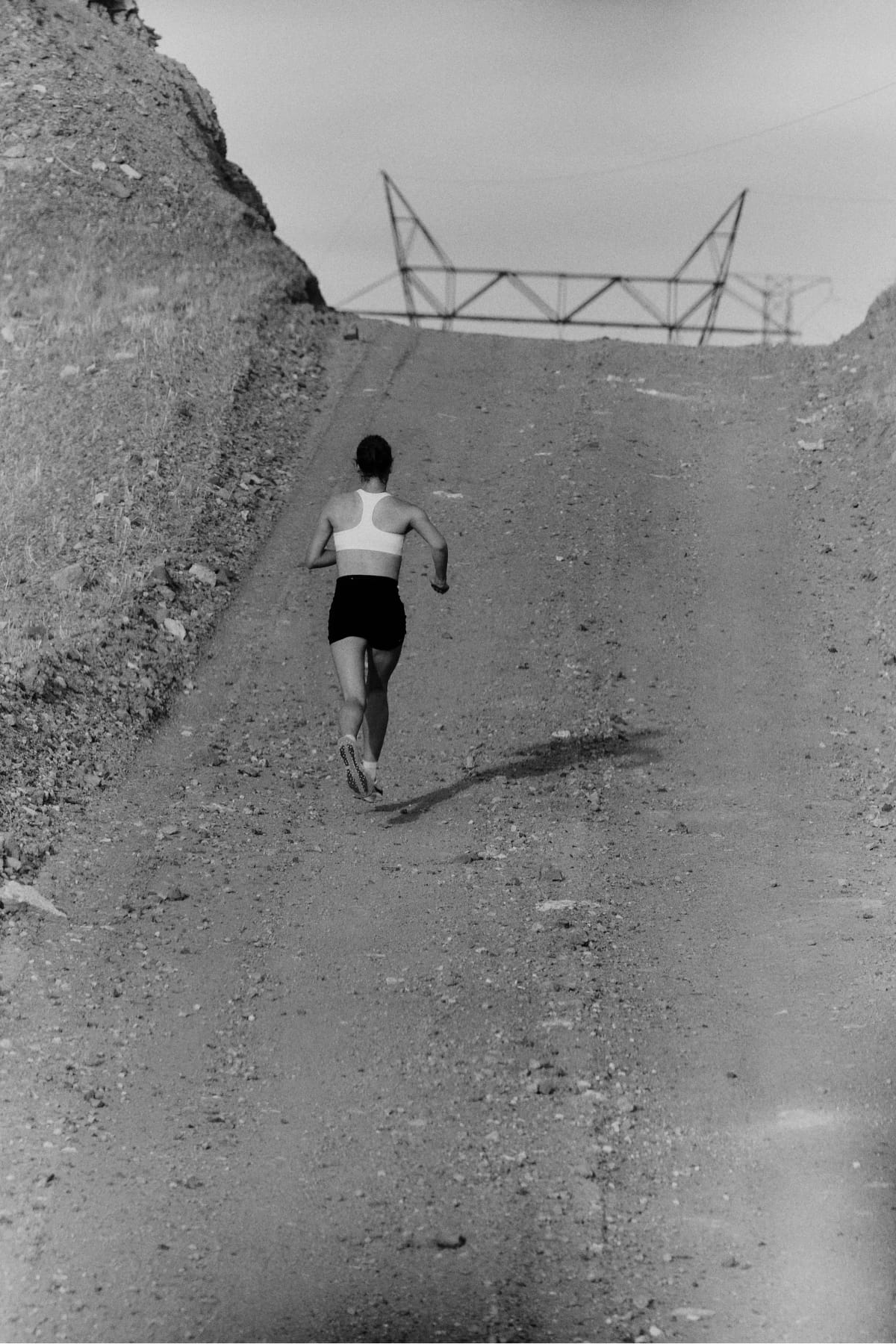
The Climb: 2,800 Feet Over 13 Miles
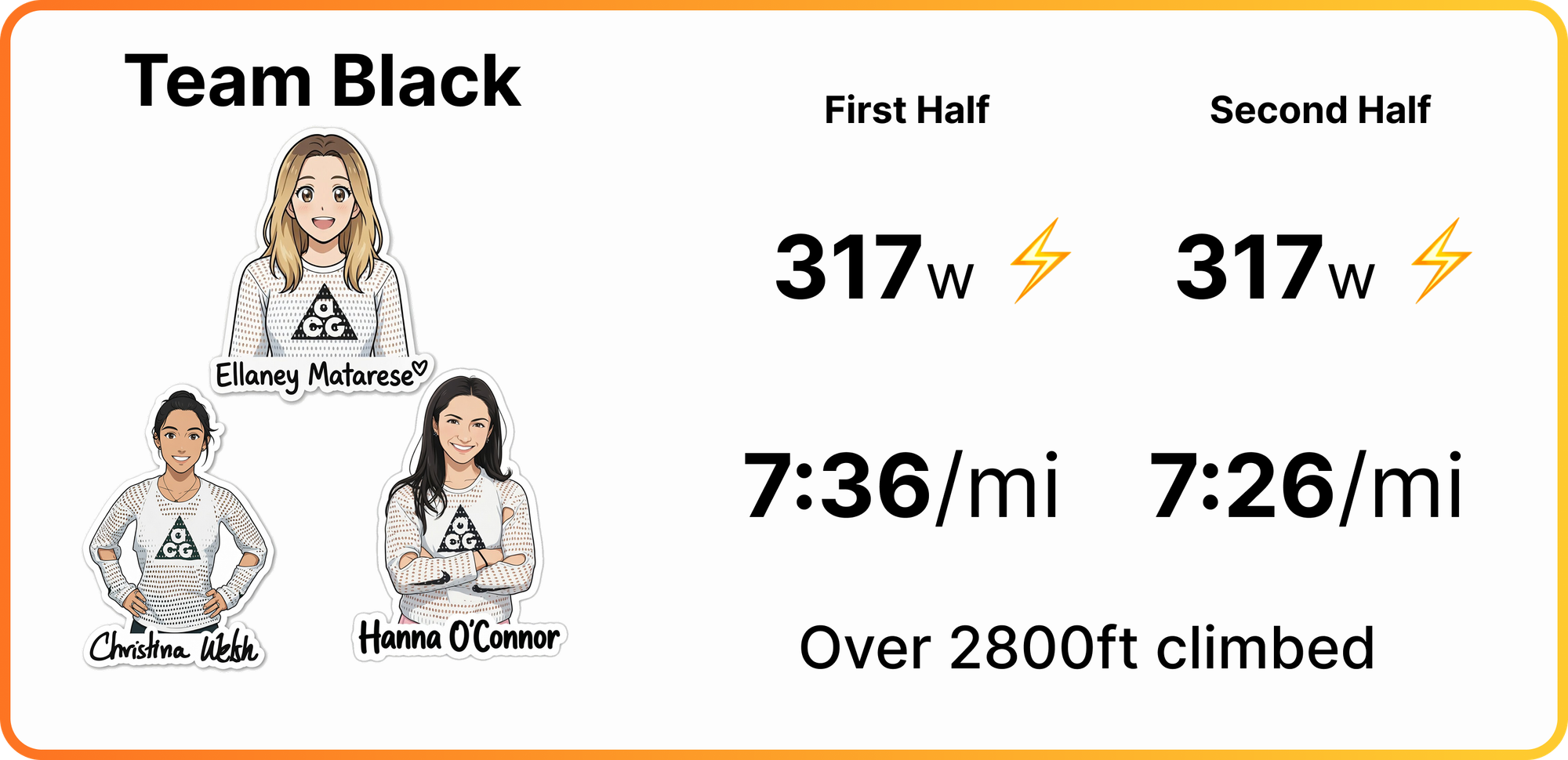
Arguably the hardest segment of the entire course comes late — a 13-mile stretch with over 2,800 feet of climbing, arriving after 20+ hours of continuous running. This is where races fall apart.
Project Stella didn't flinch.
Power output averaged exactly 317 watts at the start of the climb and 317 watts at the end. Exactly the same. Over 13 miles of sustained ascending, after running through the night, the team executed with textbook consistency. The pacing strategy had worked. Team Black completed one of the hardest segments of the course and could reset knowing they'd held the line.
Was this the Breaking Point? 225 Miles Deep, 4 AM, Everything Hurting
With the hardest climbing behind them, Team Orange was up. But there was a problem.
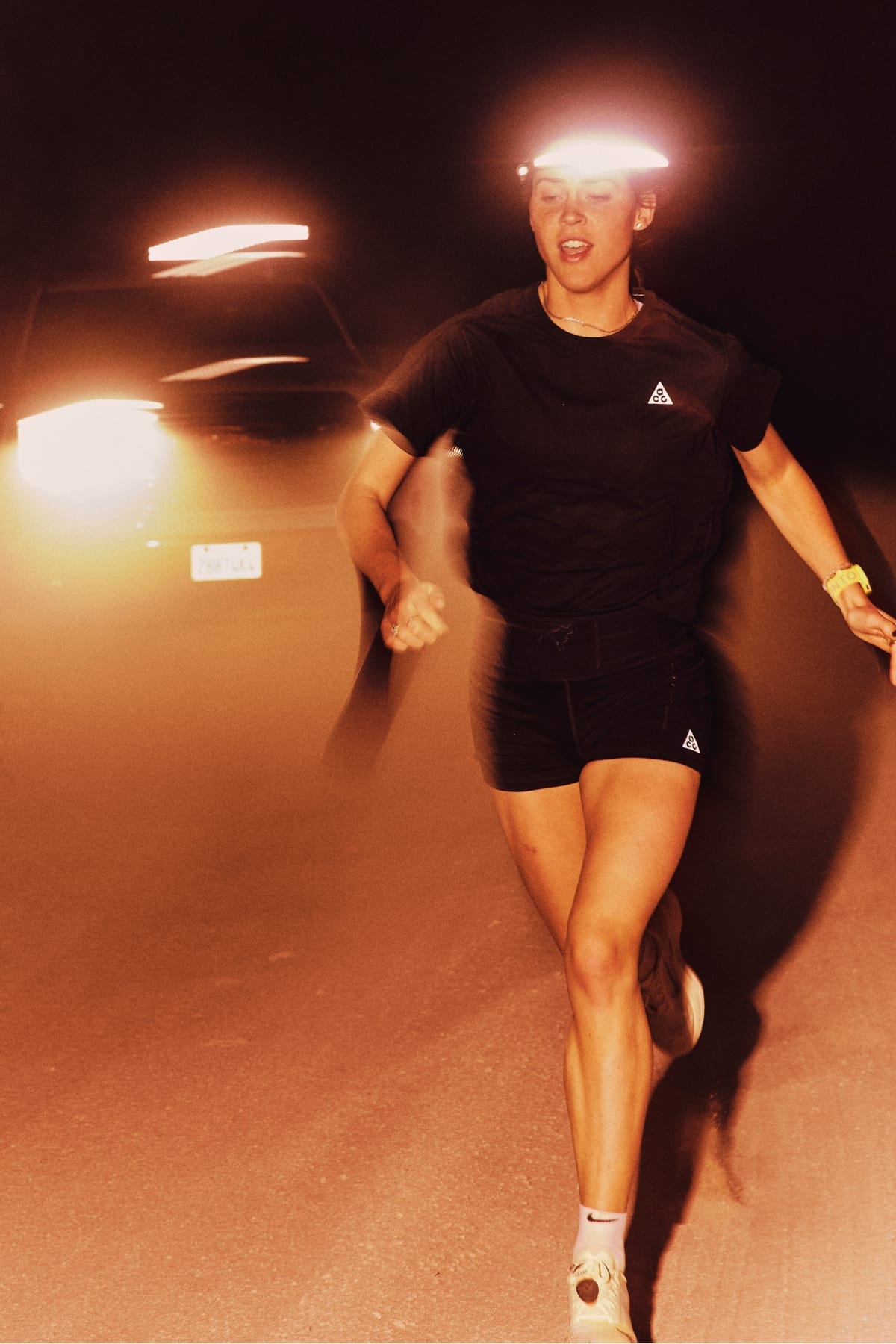
The extended rest had been critical for recovery — but now the team had to start again cold, tired, sore, and hungry. It was 4 AM. They were 225 miles in. The combination of minimal sleep, accumulated miles, freezing temperatures, and no food hit all at once.
From a cold start, the team was running 9 minute/mile pace. They were tight. They were struggling. An athlete even fell and a team leader had to pick rocks out of her gashes. The record attempt was in real jeopardy.
The team captains made a critical call: stick with it. Give it 20 to 30 minutes. See if a breakthrough comes.
The Stryd data shows exactly what happened next. There's a clear warm-up trend — power output climbing steadily over those difficult opening minutes until the athletes re-established their target effort. The breakthrough came. The record was back on.
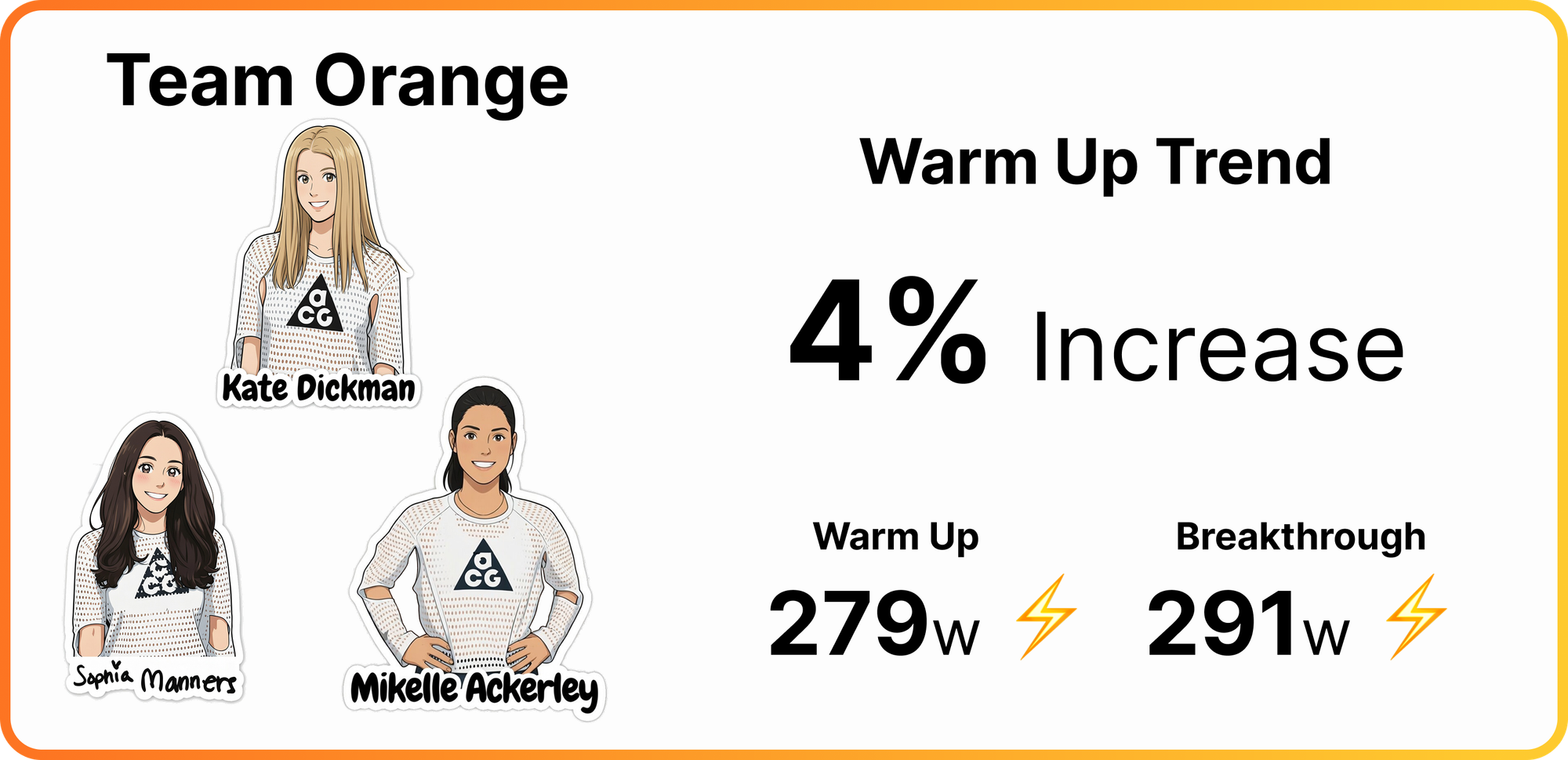
This was the mental crux of the race — and the team pushed through it.
The Final Push Into Las Vegas
With the finish in sight and the record now certain, the team made one final strategic move: shorten the relay to 60 second intervals so each runner could go even harder down the long, straight, flat stretch of Las Vegas Boulevard.
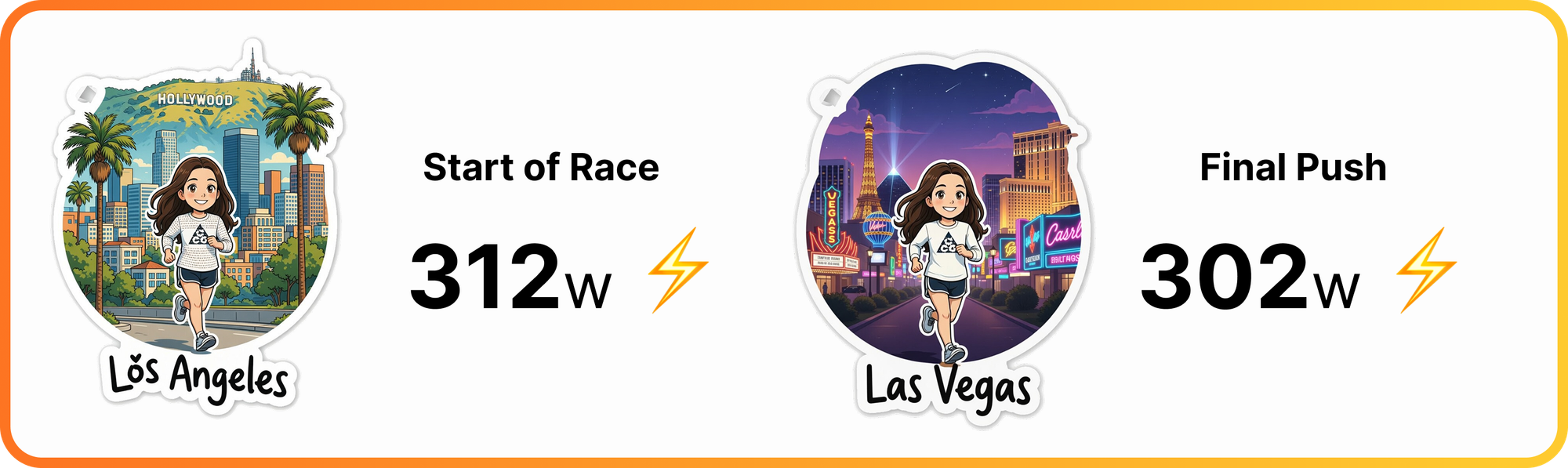
The data from the final legs is remarkable. Power output surged to similar levels from the start of the race, from when they were fresh despite hundreds of miles of racing. The team wasn't just coasting to the record — they were actively trying to lower the time as much as possible to make it harder for anyone to break.
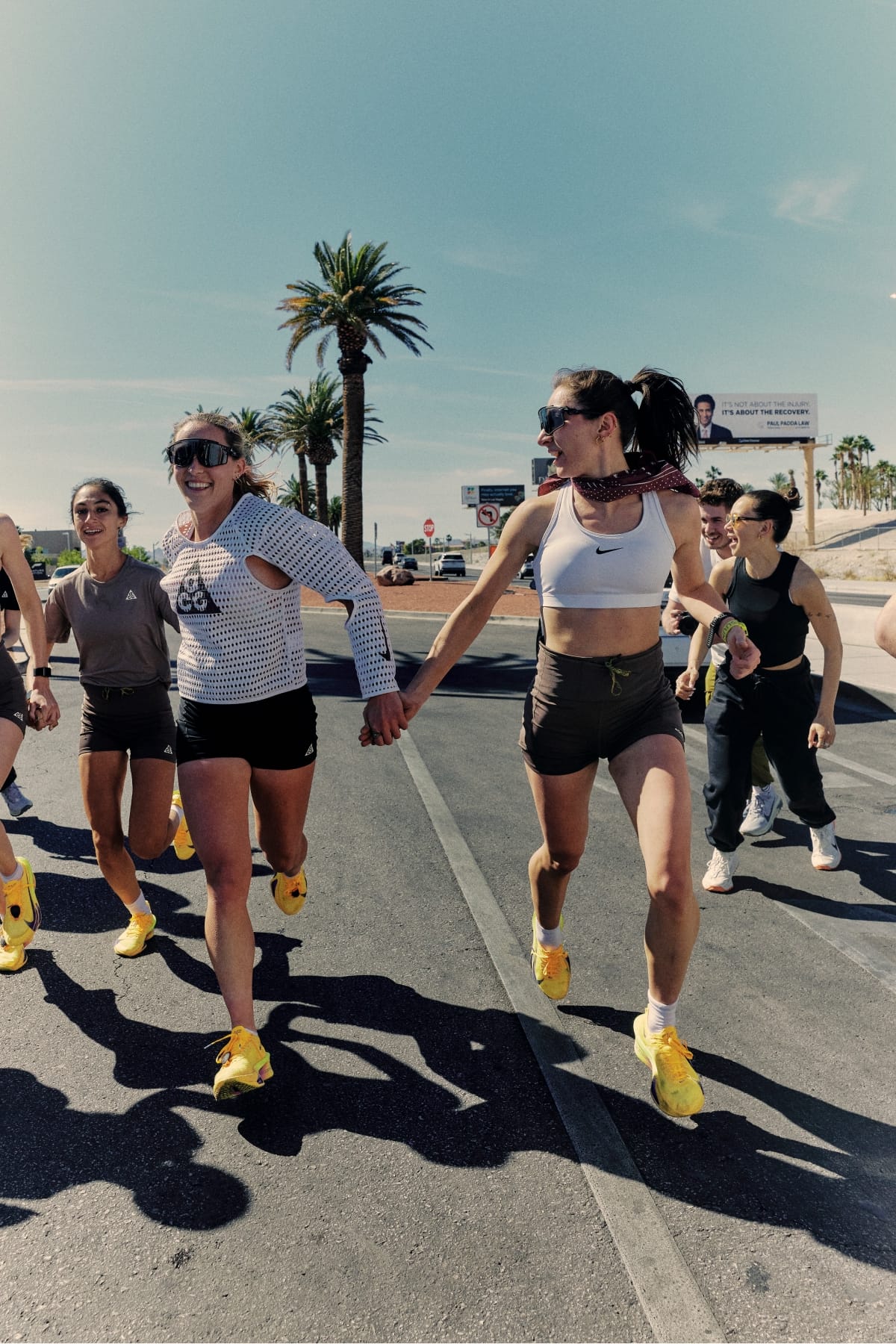
They were running just as strong and as fast as they had a full day earlier, with the added motivation that Las Vegas was in sight and the record was theirs.

A New Record
30 hours and 19 minutes.
2 hours and 54 minutes faster than any women's team has ever completed TSP.
Running at this level takes more than world-class fitness. It takes smart strategy and the flexibility to overcome whatever the course throws at you. Project Stella displayed both — racing with disciplined pacing through heat, wind, climbs, and a 4 AM low point that would have broken most teams.
The data confirmed what we saw on the course: six women who executed a near-perfect race plan across 280 miles of the most demanding terrain in North America.